How Insurance Apps Offer Members At-Home Health Checks
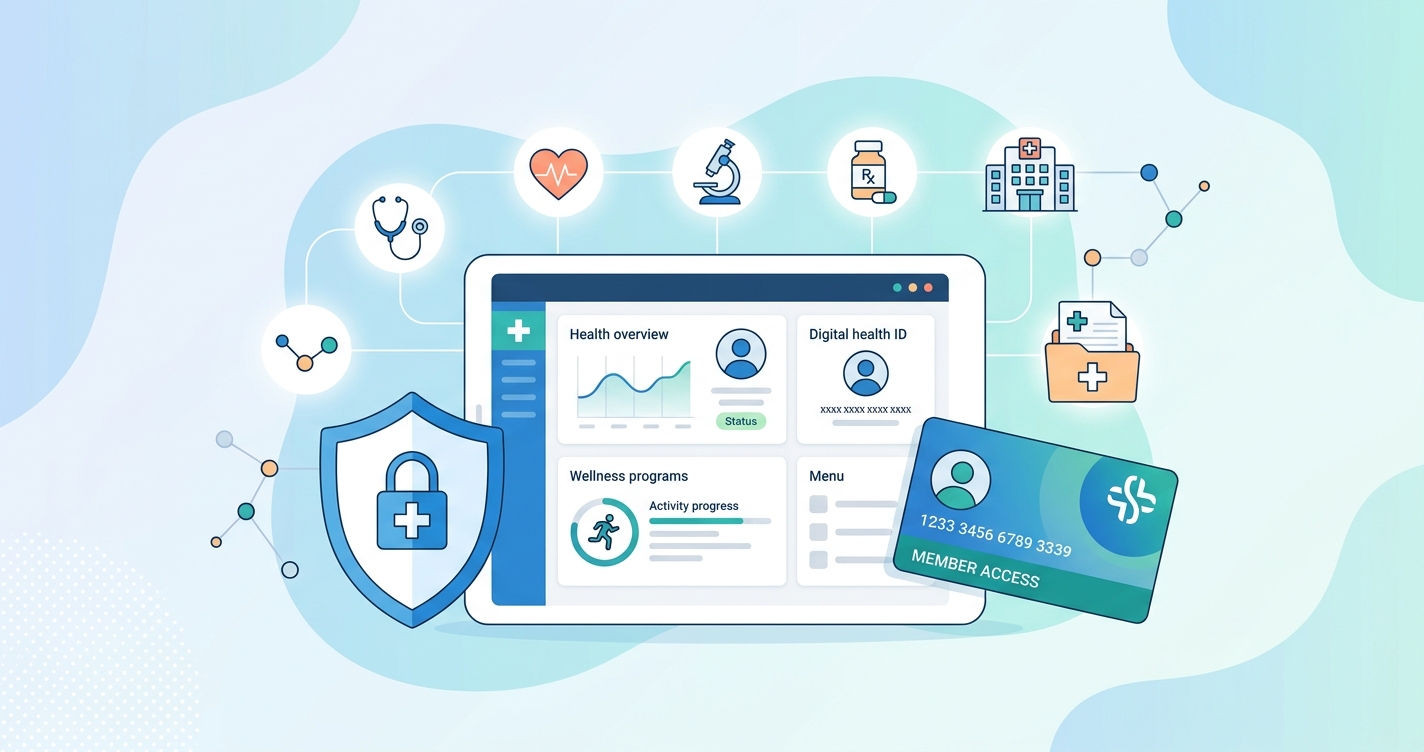
How payers and insurtech apps use an insurance member health monitoring app with branded at-home vitals to lift engagement and lower cost of care.
Insights on health technology, vitals monitoring, and wellness from the GetHealthView team.

How payers and insurtech apps use an insurance member health monitoring app with branded at-home vitals to lift engagement and lower cost of care.

How research sponsors capture white label vitals for clinical trials under their own brand, without device shipping or hardware logistics.

App based vitals accuracy depends on validation method, not marketing claims. Learn which proof to request from a contactless vitals vendor before you sign.

A buyer checklist on how to choose a white label health vendor: accuracy, support, branding limits, and pricing surprises to surface before you sign.

A ranked buyer's guide to white label vitals for senior care apps, weighing alerts, ease of use, and OEM fit for aging-in-place and caregiver products.

A realistic white label health platform launch time breakdown, from signed contract to live branded app, covering branding, integration, and testing phases.

A product team comparison of camera based vitals vs wearables on cost, accuracy, and user drop-off for health apps adding vital signs without hardware.

How consumer fitness apps layer branded heart and breathing checks into their products to lift retention without building sensor technology in-house.

A budgeting breakdown of white label health platform cost beyond setup: hosting, compliance, support, and per-user fees that decide three-year total cost.

A timeline-driven guide for founders who want to launch a branded health monitoring app fast using white-label rPPG tech, with a realistic 60-day plan.

How startups and enterprise buyers approach white-label vitals differently on budget, compliance, and scale, and which procurement path fits each team.

Churn, repeat feature requests, and competitor moves often signal it is time to license a white label vitals engine. How founders read the signs.

A product-level look at telehealth white label vitals: the patient-facing screens, branding cues, and UX decisions that shape trust and completion rates.

A vendor-vetting checklist for telehealth PMs evaluating an rPPG white label solution, covering accuracy, skin-tone bias, regulatory scope, and integration.
How hospital IT teams add camera-based vitals to existing patient apps with hospital vitals tracking software without hardware, no devices to ship or manage.

A cost, risk, and timeline comparison of licensing health platform OEM technology versus building vitals capability in-house, written for telehealth product teams.

A vendor evaluation of the best white label health monitoring platform options for 2026, comparing customization, accuracy, and launch speed for founders.

A founder's checklist for launching a custom branded vitals app, covering branding, HIPAA compliance, build-vs-license decisions, and realistic launch timelines.

An industry analysis of how to monitor a parent's health remotely, and how white-label rPPG technology lets companies offer caregiver-friendly services.
How an exercise heart health tracker built on contactless vitals gives fitness and wellness platforms instant, tangible feedback on cardiovascular progress.

A research view on kids health app face scan safety: how rPPG works for children, what COPPA 2025 requires, and how product teams build compliant vitals apps.

Whether an insurance covered health app is reimbursable depends on CPT codes, clinical oversight, and how the platform is built. A look at the financial mechanics.

Why some health apps feel effortless for older users, and how an easy health monitoring app is shaped by white-label design foundations.

How predictive health app warnings work, what the research shows about early detection, and why white-label rPPG gives digital health companies the infrastructure.

How a remote elderly health app supports family caregiving from a distance, and what telehealth builders should know about contactless monitoring.

An industry look at how an at home blood health check works through rPPG, and how white-label platforms let digital health startups offer it under their own brand.

Why clinics now use doctor requested app monitoring before appointments, and how white-label vitals platforms power that branded pre-visit experience.

A research view of the sleep heart monitor app market: passive nighttime monitoring without wearables, accuracy evidence, and what platform teams should weigh.

Learn how smartphone cameras estimate blood oxygen (SpO2) without a finger clip, the accuracy of the technology, and what it means for digital health apps.

Exploring the credibility of health startups' vitals monitoring. Learn how underlying licensed technology, not company size, often determines the reliability of a health app.

Exploring the science behind contactless blood pressure measurement from a smartphone camera, its current capabilities, and what it means for telehealth.

A tech-curious comparison of rPPG camera accuracy vs. pulse oximeters. We review the latest validation data for digital health founders and telehealth PMs.

Exploring the science behind camera-based vital signs in low light. Learn how rPPG engine quality, not the app, determines accuracy in challenging conditions.

Telehealth platforms can integrate device-free vital signs using white-label rPPG technology, eliminating the need for hardware and improving scalability. Learn how.

Explore the build-vs-buy decision for health monitoring features. Learn how a white label health monitoring platform can accelerate your roadmap and reduce risk.
A regulatory primer for digital health founders and PMs on when a vitals tracking app crosses the line from wellness to medical device, requiring FDA oversight.

A research-based comparison of remote photoplethysmography (rPPG) face scan vitals accuracy versus traditional contact pulse oximeters for SpO2 and heart rate.

A realistic look at the development timeline for integrating camera-based vitals into a digital health app, comparing in-house builds with white-label SDKs.

Explore the strategic options for launching a vitals scanner under your own brand, from building in-house to leveraging a white-label rPPG solution for faster market entry.
Explore the cost to build a vitals feature: a breakdown of R&D, engineering, compliance, and maintenance costs versus licensing a white-label solution.

A look at on-device vs. cloud processing for camera-based vitals, exploring the privacy and data security implications of where video frames are analyzed.

Discover why two apps can show different heart rates from the same camera. Learn how underlying vitals engines and algorithms cause camera heart rate accuracy difference.

Learn the science of remote photoplethysmography (rPPG) and how a camera based vitals app can measure heart rate and other biomarkers without any contact.

Explore the science of camera-based heart rate measurement (rPPG). Understand how apps can measure vitals with zero hardware, and what it means for digital health.

As the digital health landscape matures, the strategic choice is no longer about using AI, but how to deploy it. Is the whitelabel medical AI future the default for new companies?

An analysis of the strategic trade-offs when choosing to build a health app from scratch versus licensing a platform, focusing on cost, timeline, and resources.

Explore the strategic implications of selling camera-based vitals under your own brand. Learn how white-label solutions can help you go to market faster.

An analysis of why digital health companies are turning to white-label vitals solutions to build a competitive moat based on brand, user experience, and speed to market.
Explore the technical and strategic options for integrating heart rate monitoring into your current application. Compare SDKs, APIs, and white-label platforms.

A detailed analysis for digital health startups on the strategic decision between building proprietary vitals technology in-house and licensing a third-party platform.

An analysis of shared rPPG engine health apps commoditization, and where digital health teams still have room to differentiate.

A research-backed look at whether a whitelabel clinic app medical device strategy can keep your brand experience while meeting medical-grade product expectations.

Why telehealth companies are quietly adding camera vitals: a research-backed look at workflow, reimbursement, access, and white-label platform economics.

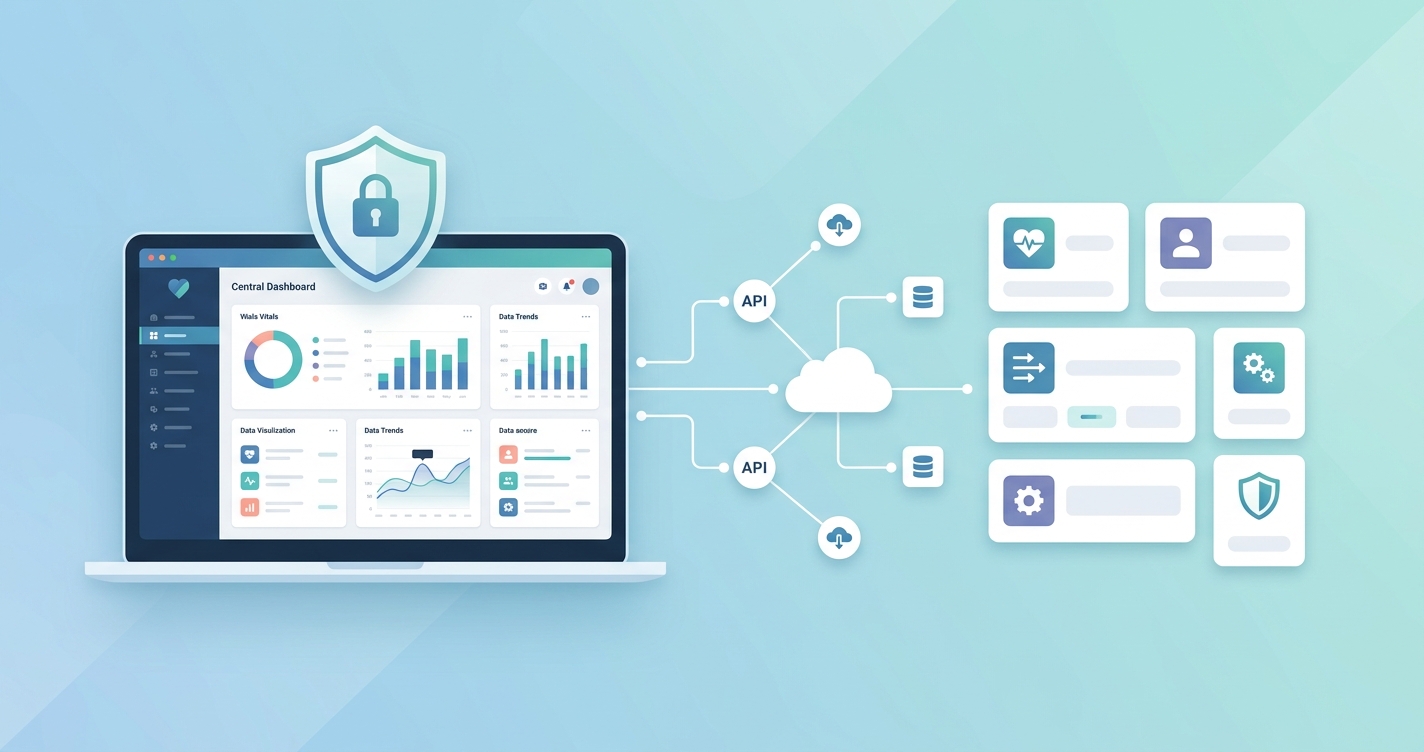
A research-backed look at the enterprise white label vitals platform features buyers now expect, from security controls to interoperability and analytics.

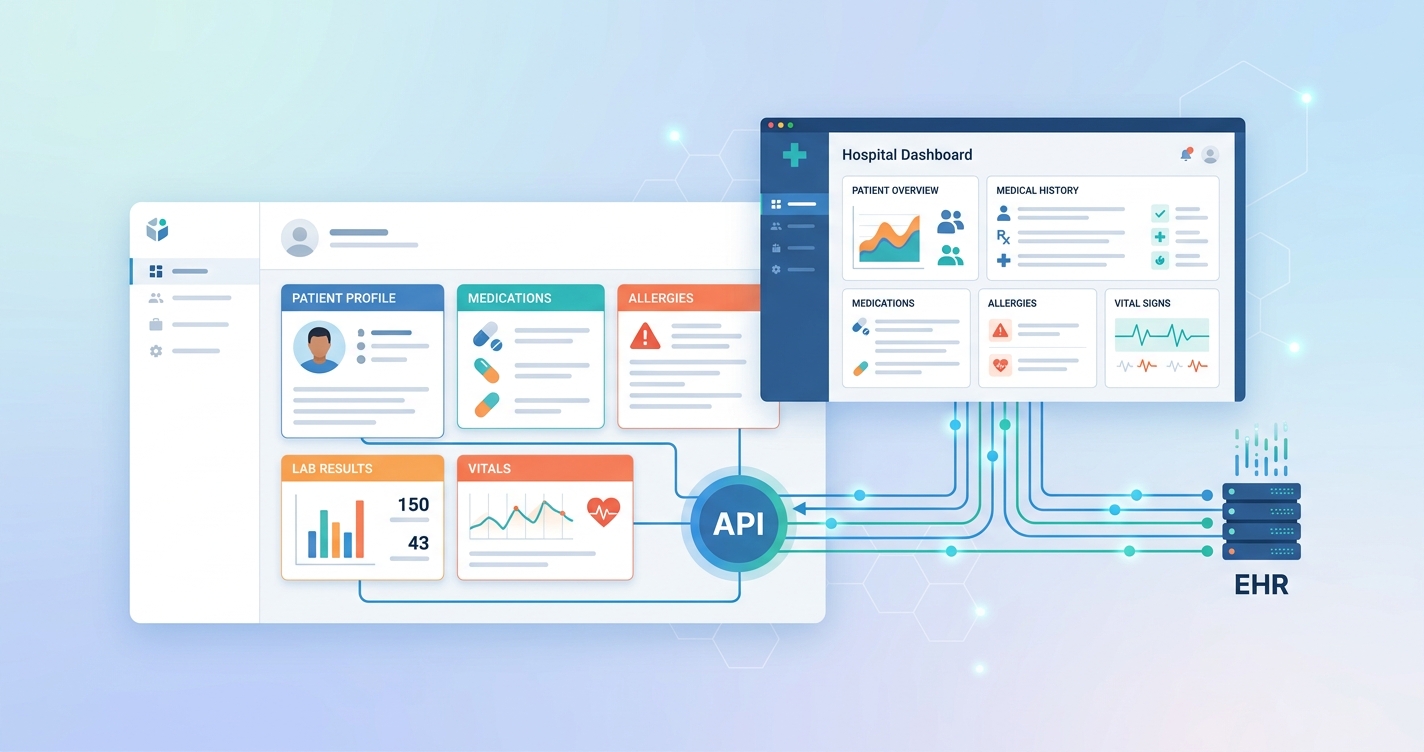
A research-backed analysis of white label health platform EHR integration, covering seven connection points that shape workflow, data quality, and scale in 2026.

A research-backed analysis of how employer wellness programs deploy branded health screening portals, covering rollout models, participation design, data governance, and buyer priorities in 2026.

A research-backed look at branded remote patient monitoring portal launch strategy in 2026, covering rollout models, interoperability, reimbursement, and adoption risk.

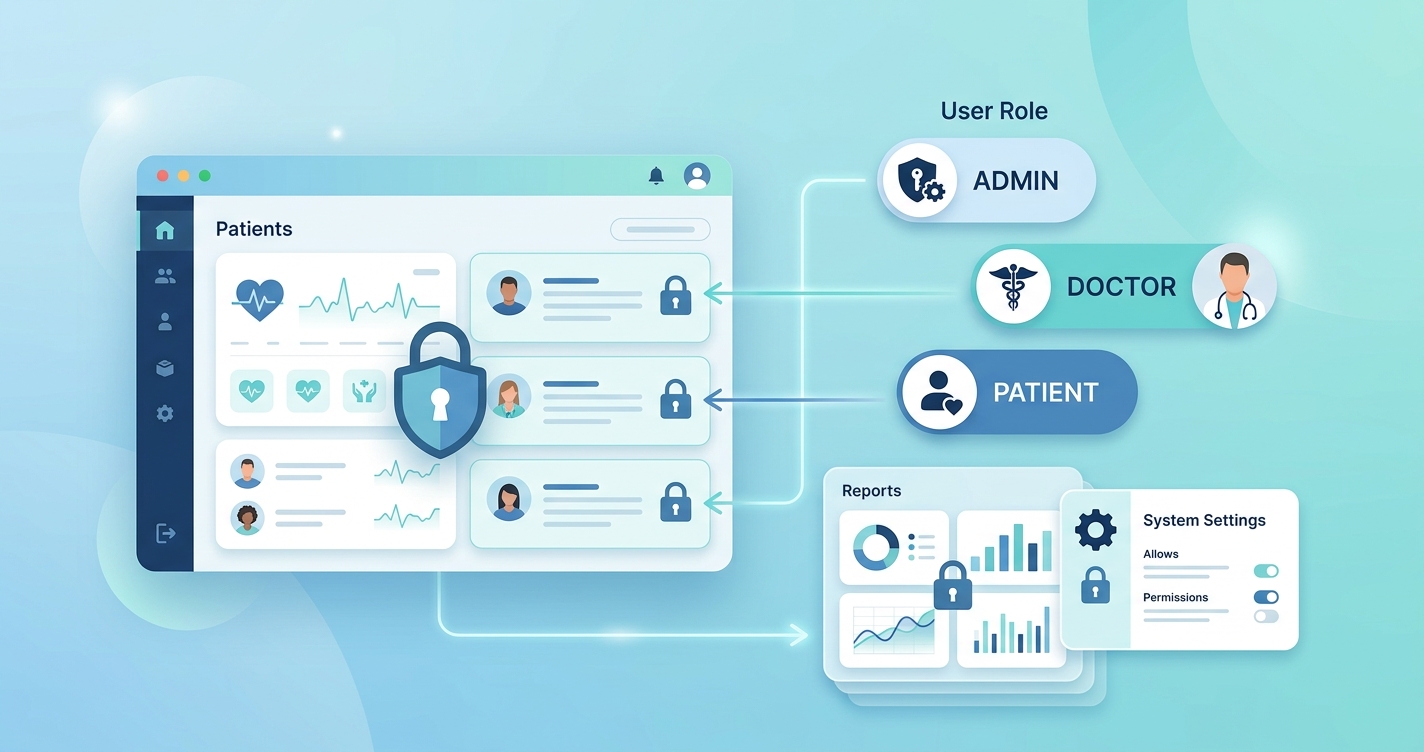
A research-backed analysis of role based access control health platform design, from clinical permissions and audit trails to tenant governance and buyer diligence.

A research-backed look at white label vitals engine build vs license decisions, including speed, compliance, integration depth, and long-term platform control.

A research-backed look at white label health monitoring platform pricing, including implementation, security, interoperability, and operating costs buyers should budget for in 2026.

A research-backed analysis of white label vs embedded SDK health strategies, from integration depth and governance to interoperability, speed, and long-term control.

A research-backed analysis of custom vitals thresholds and alerts configuration, including baseline ranges, escalation logic, alert burden, and white-label platform design in 2026.

A research-backed analysis of how digital health startups use white-label platforms to shorten launch timelines, control burn, and reach market faster in 2026.

A research-backed framework for how healthcare buyers evaluate white-label health technology partners across interoperability, security, implementation, and operating fit.

A research-backed analysis of how to structure a resell white label health monitoring partner program, from margin design and buyer fit to deployment and compliance readiness.

A research-backed look at how payers build member health portals with white-label tech, from FHIR data access and UX design to governance, rollout, and retention goals.

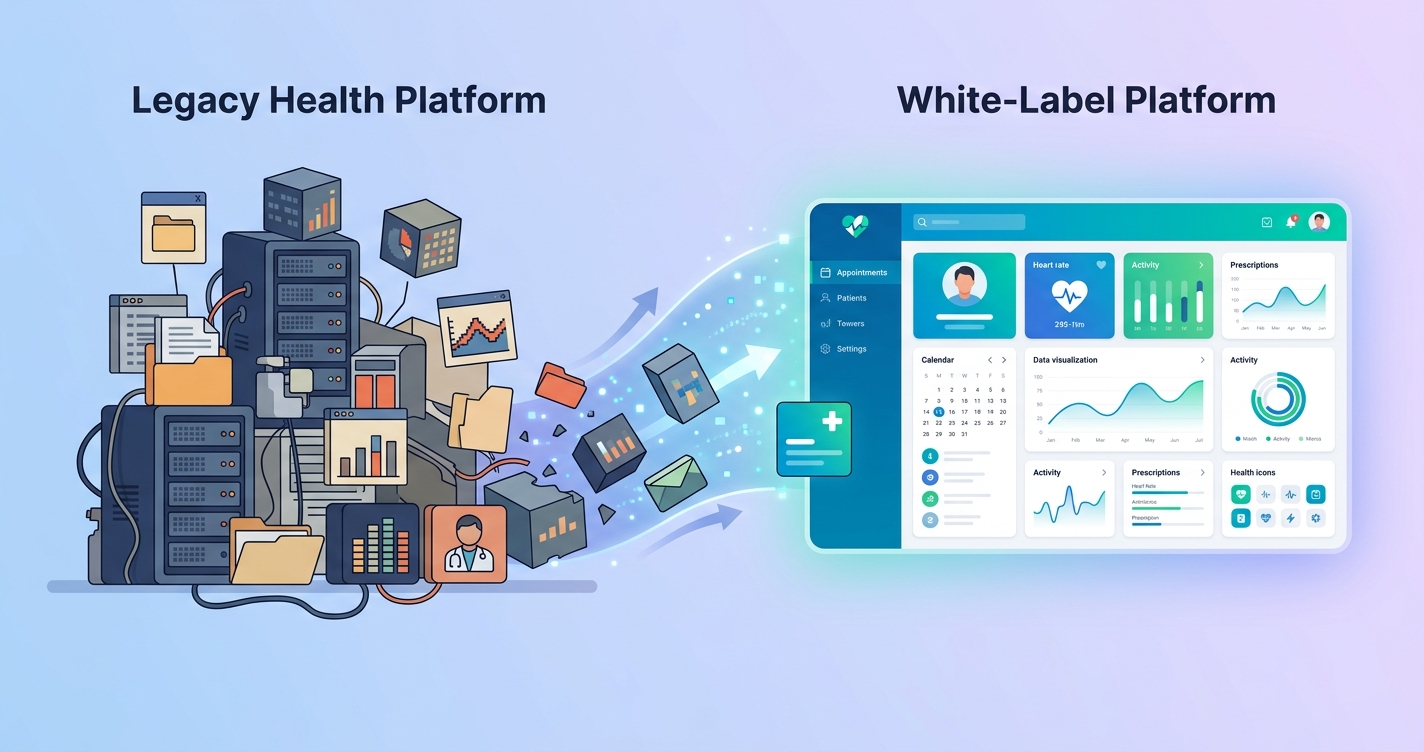
A research-backed look at how healthcare teams migrate from legacy platforms to white-label infrastructure while reducing technical debt, integration risk, and launch delays.

A research-backed explanation of multi-tenant architecture in health monitoring platforms, including scalability, isolation, compliance, and buyer implications in 2026.

A research-backed analysis of health platform OEM licensing models, including white-label structure, pricing logic, compliance boundaries, and interoperability in 2026.

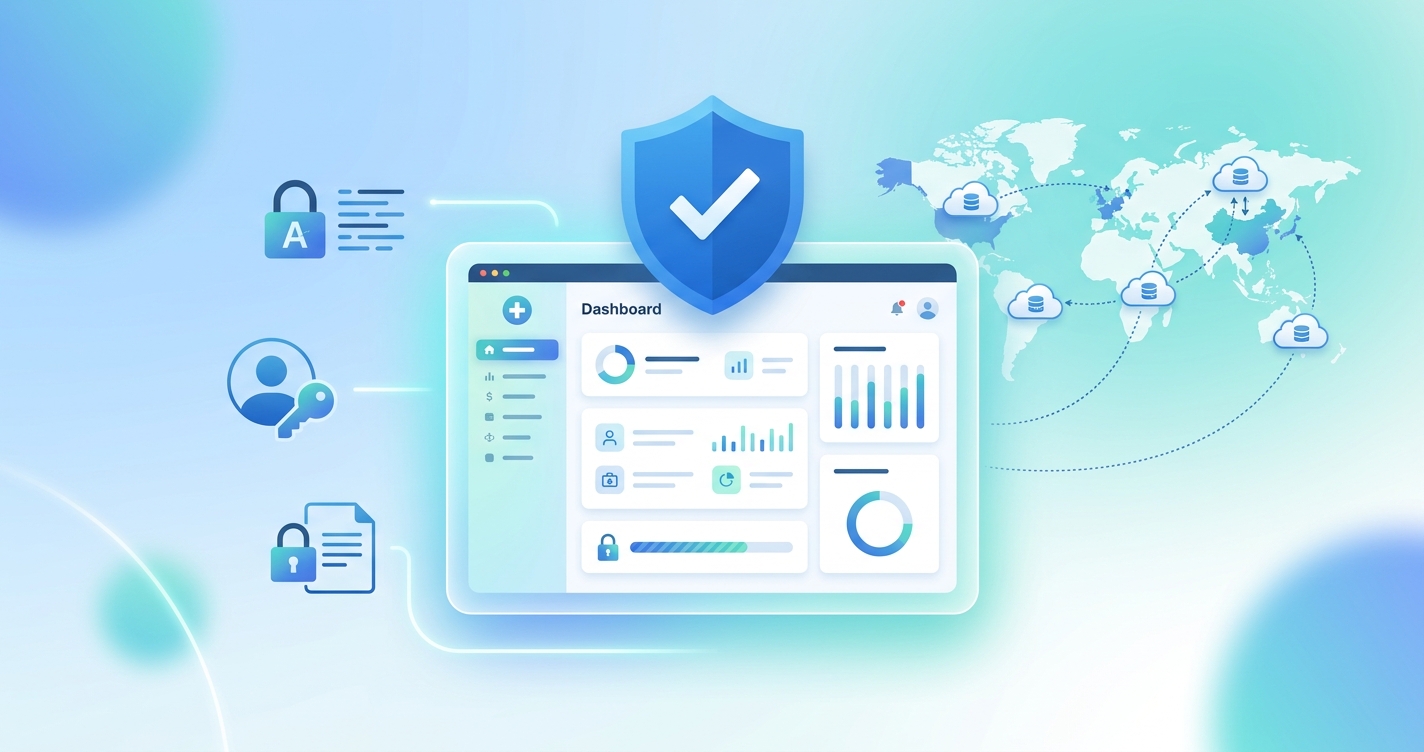
A research-backed analysis of white label health compliance, covering HIPAA, SOC 2, data residency, and the controls enterprise buyers expect in 2026.

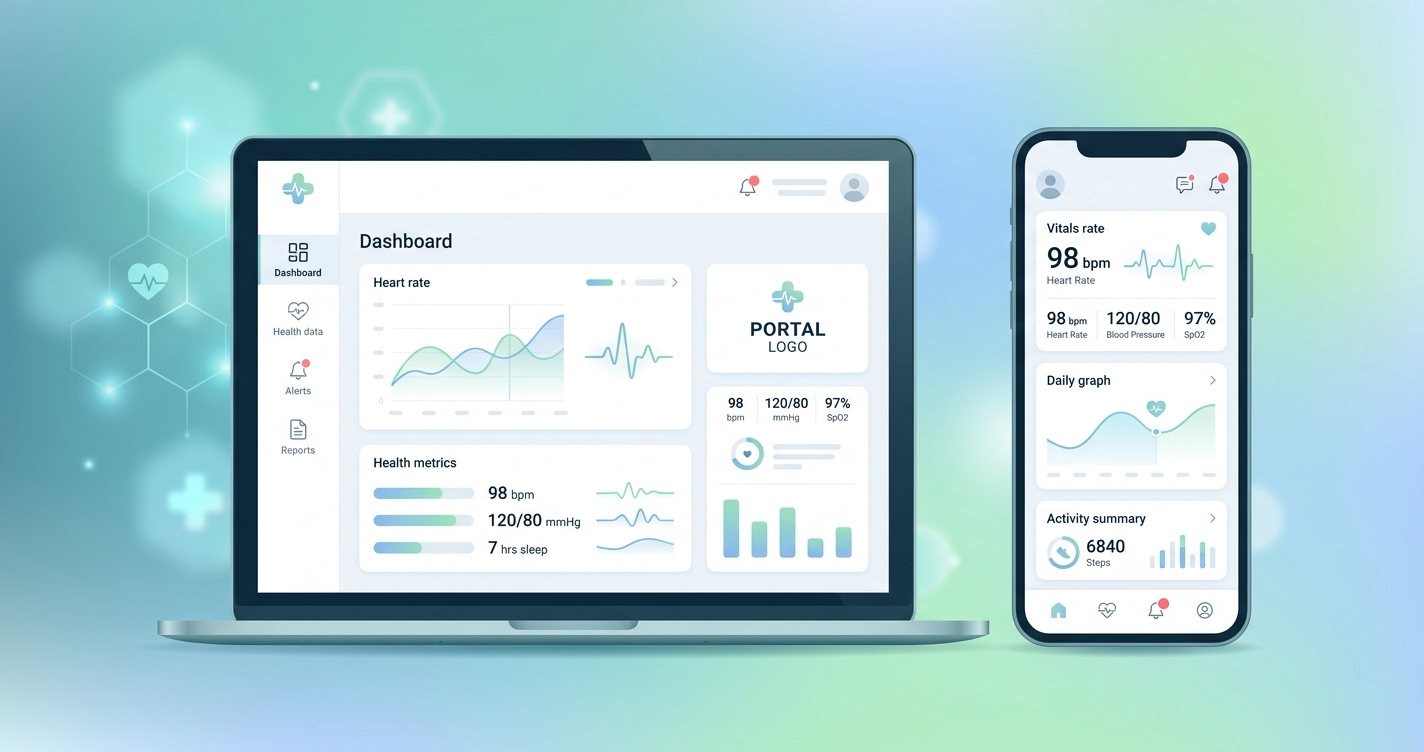
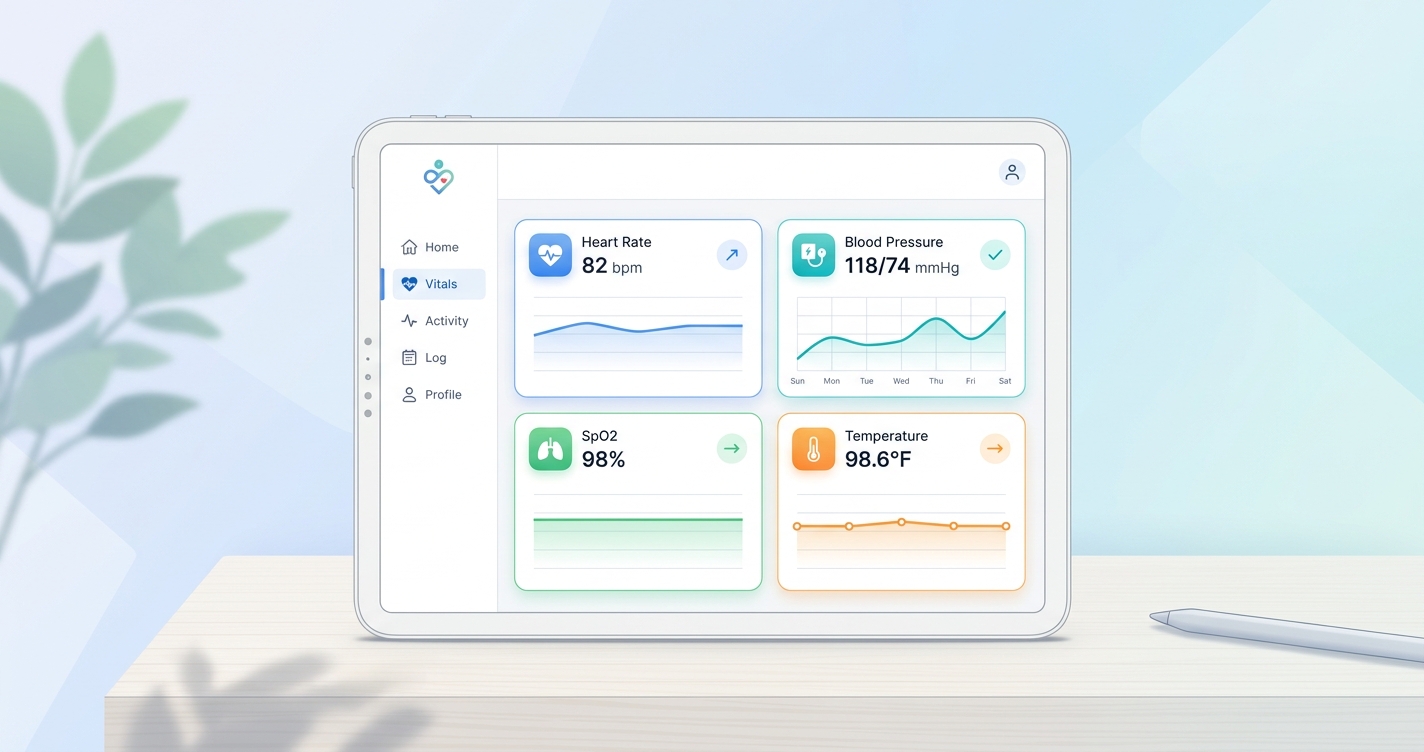
A research-backed analysis of white-label patient vitals dashboard configuration, covering data design, usability, alerts, and rollout choices for health platforms.

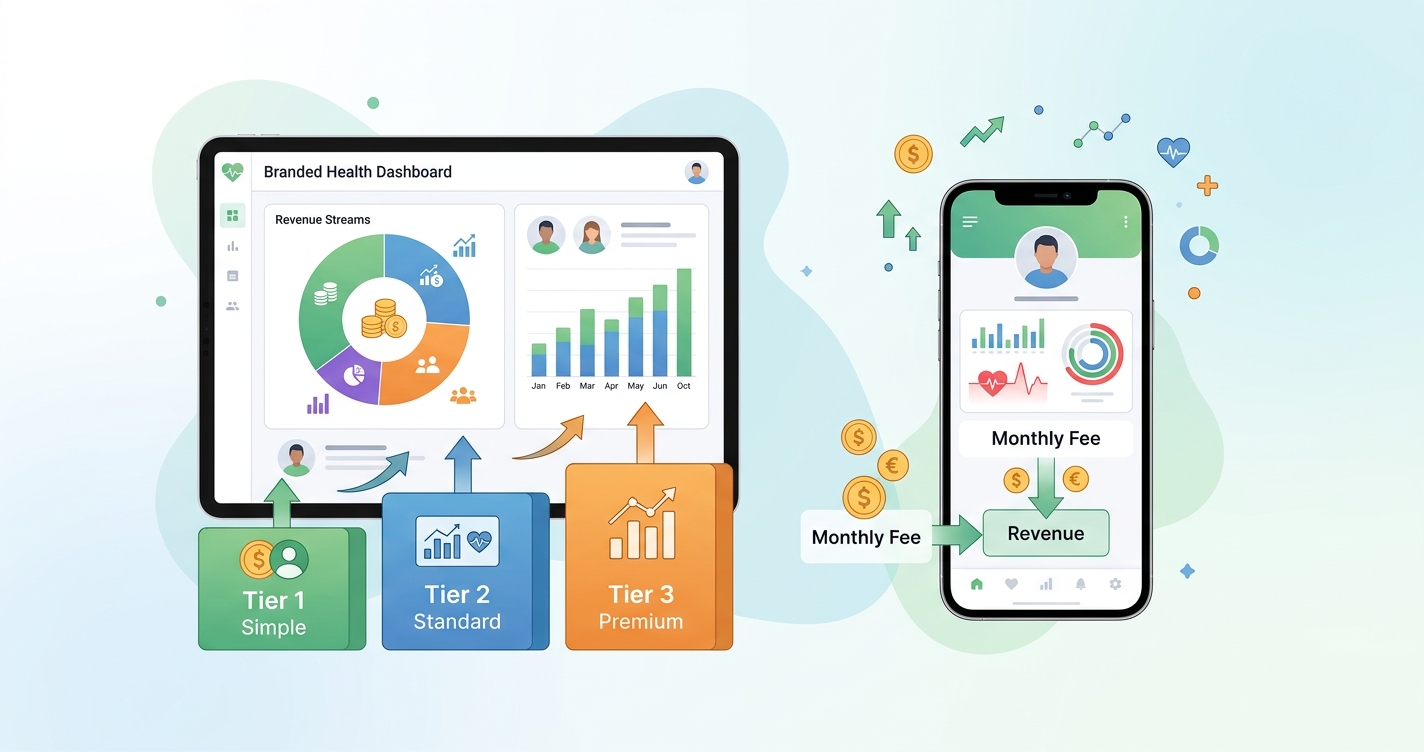
A research-backed analysis of white-label health platform revenue models, covering subscription, licensing, reimbursement, and channel strategies for digital health operators in 2026.

A detailed cost and timeline comparison of white-label licensing versus building a health monitoring platform from scratch, with data-backed analysis for digital health founders, telehealth PMs, and hospital IT leaders.

A comprehensive guide to white-label health platform branding and customization options, covering visual identity, clinical workflow configuration, data layer control, and strategic branding decisions for digital health founders and telehealth product managers.

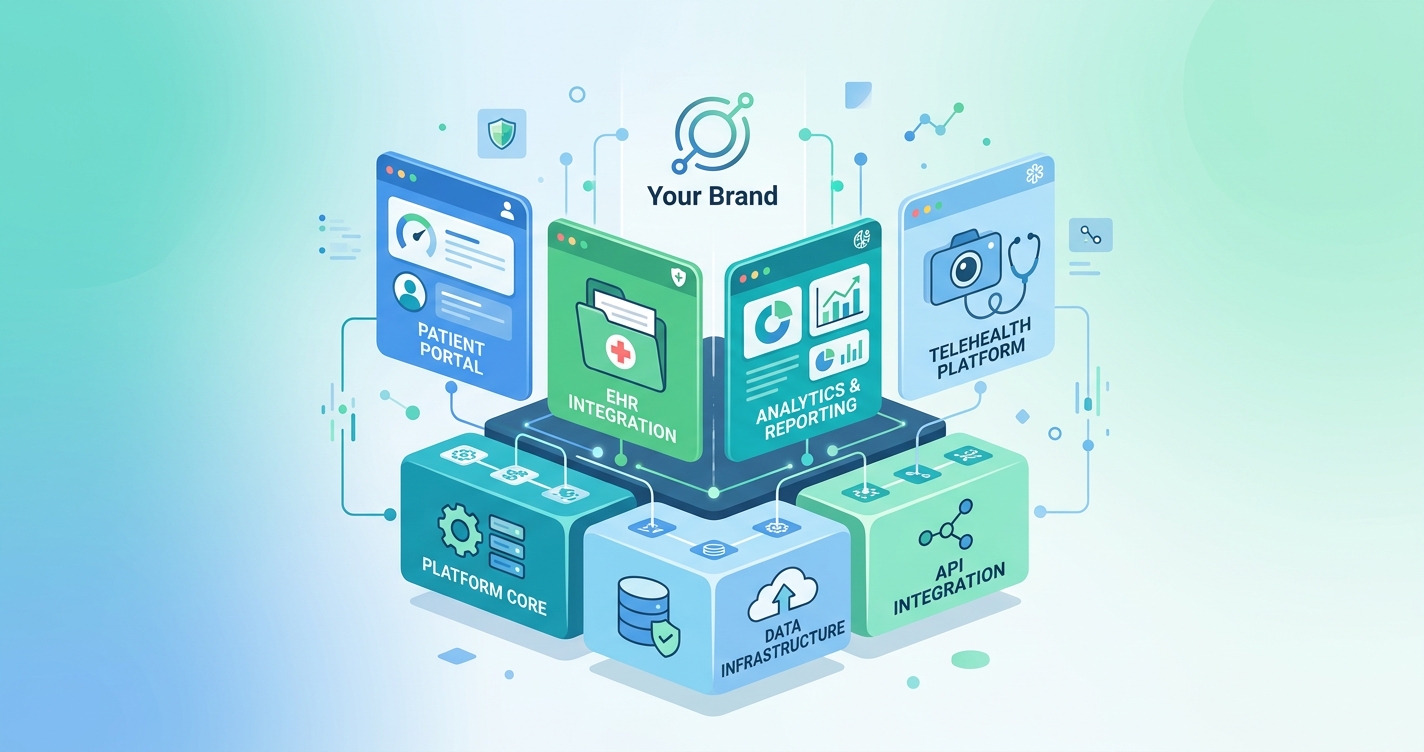
A research-backed analysis of white-label health monitoring platforms, covering architecture models, deployment options, and strategic considerations for digital health founders and telehealth product managers.

A research-backed analysis of how telehealth platforms integrate vitals capture through white-label solutions, covering integration models, deployment timelines, and strategic outcomes for digital health startups and telehealth product managers.

A strategic analysis of how digital health companies can launch a branded health platform in 30 days using white-label infrastructure, covering phase planning, resource allocation, and risk mitigation.

A research-backed analysis of how hospital systems deploy white-label remote monitoring platforms, covering procurement models, EHR integration, clinical workflow design, and operational outcomes for hospital IT leaders and digital health strategists.